
Key Takeaways
Learning how to use up ingredients before they go off is one of the easiest ways to reduce food waste, save money, and make everyday cooking less stressful. With a few simple habits, you can keep your kitchen organized while enjoying a wider variety of homemade meals.
- Prioritize older ingredients first so you can use up ingredients before they go off and avoid unnecessary waste.
- Store fresh produce correctly to maximize its shelf life and preserve its quality. Turn leftovers, vegetable scraps, and extra ingredients into delicious new meals instead of throwing them away. Shop based on what you already have at home to prevent buying duplicate ingredients. Freeze, dehydrate, or preserve surplus food to extend its usability for weeks or even months.
Proper storage techniques to extend ingredient life
One of the best ways to use up ingredients before they go off is by storing them correctly from the moment you bring them home. Different foods require different conditions, and understanding how to store produce, dairy, meat, and pantry staples can dramatically slow spoilage. Good storage habits help you get the most from every grocery shop.
Sorting items by shelf life
Not every ingredient lasts the same amount of time. Group foods according to how quickly they spoil so you know what needs using first. Keep highly perishable items at the front of your fridge and pantry, while longer-lasting staples can stay toward the back. This simple “first in, first out” approach makes it much easier to use up ingredients before they go off.
Mastering refrigerator humidity zones
Your refrigerator contains different humidity zones designed for specific types of produce. Store leafy greens, herbs, and vegetables that lose moisture quickly in the high-humidity drawer, while fruits such as apples and pears are better suited to lower-humidity compartments. If you’re unsure what to cook with ingredients that are nearing their expiry, the Quick Meals Finder can help you discover recipes based on what you already have.
Essential pantry organization strategies
A cool, dry, and well-organized pantry helps extend the life of grains, pasta, rice, canned foods, and baking essentials. Store bulk ingredients in clear, airtight containers so you can easily see what you have and avoid buying duplicates. Keeping your pantry tidy also makes it much easier to use up ingredients before they go off, reducing waste and helping you make the most of every ingredient.
Creative kitchen sink recipe concepts
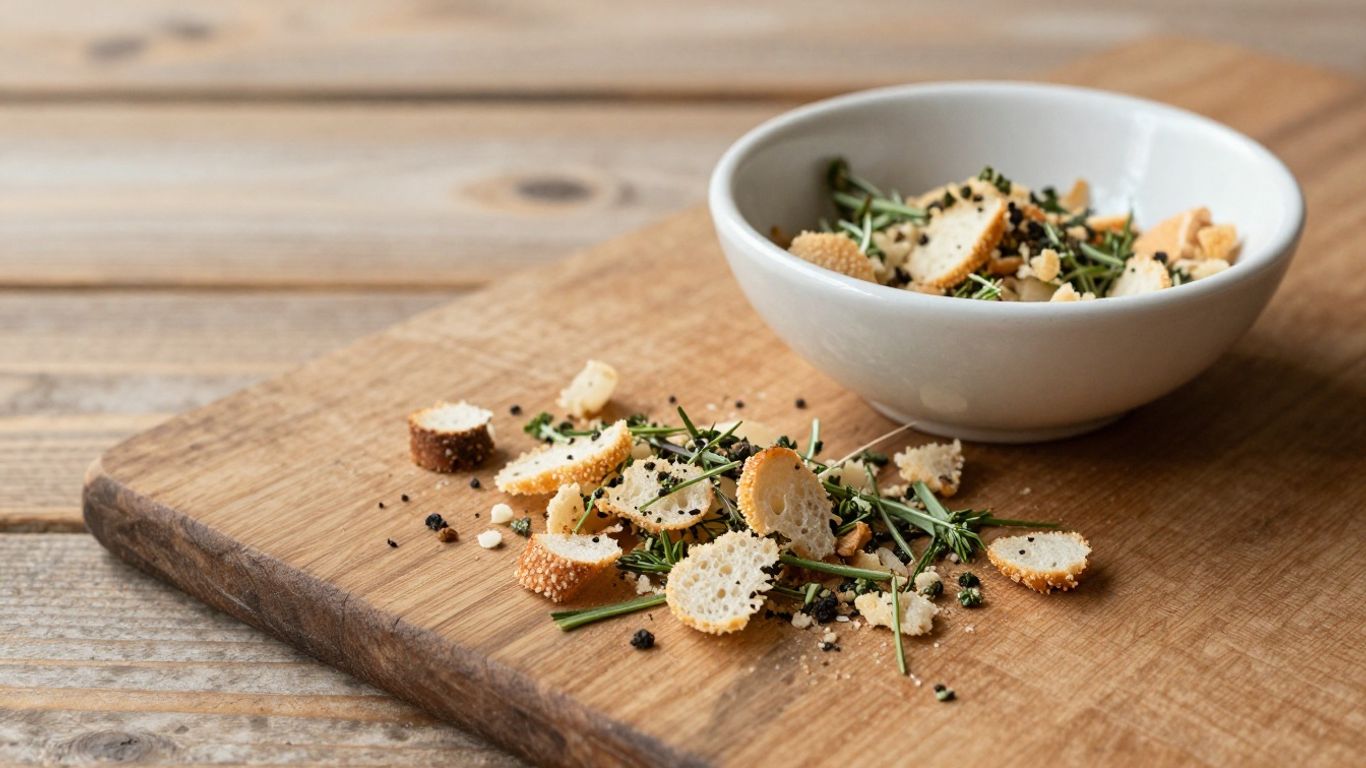
Turning odds and ends into a cohesive meal is one of the most rewarding challenges for a home cook. Rather than seeing wilting ingredients as a loss, consider them building blocks for unique, impromptu culinary creations. This approach effectively minimizes food waste while stretching your budget.
Mastering the art of homemade vegetable stock
Collecting kitchen trimmings like onion skins, carrot tops, and celery ends in a freezer bag creates a steady supply of soup base. When the bag is full, boil these scraps with water and herbs to produce a rich liquid suitable for various recipes.
Root vegetables are particularly easy to rescue before they go to waste. If you have sweet potatoes that need using, try our roasted sweet potatoes for a simple side dish that only needs oil and a few pantry seasonings.
Combining leftovers into hearty frittatas
Frittatas provide a perfect medium for small, scattered portions of cooked pasta, roasted meats, or wilted vegetables. Whisk together a few eggs with your leftover ingredients, pour into an oven-safe skillet, and bake until firm. You can discover innovative ways to combine specific leftovers using the QuickMealsFinder Recipe Tool to ensure nothing is wasted.
Transforming wilting greens into pestos and sauces
Greens that have lost their initial crunch, such as spinach or kale, can easily be salvaged by processing them into vibrant pestos. Blending these leaves with nuts, garlic, olive oil, and parmesan creates a flavorful sauce that can be frozen in individual portions for quick dinners.
Implementing the first in, first out method
Maintaining a systematic rotation schedule ensures that older items rarely get overlooked in the back of the shelf. By committing to this simple habit, you establish a reliable flow that naturally prevents food from passing its peak quality.
Labeling and dating your containers
Keeping track of when you opened a jar or prepared a component is a small step with a large payoff. Use masking tape and a marker to note the date on everything stored in the fridge or pantry.
Organizing shelves to prioritize older items
Move items with the earliest expiration dates to the front of your shelves every time you unload new groceries. This ensures that when you reach for a staple, you automatically choose the product that needs to be used sooner.
Scheduling weekly pantry and freezer audits
Taking fifteen minutes once a week to review your inventory reveals exactly which items require immediate attention. This helps you identify what needs to be incorporated into your quick weeknight dinners before they reach the point of no return.
Extending ingredient life through preservation
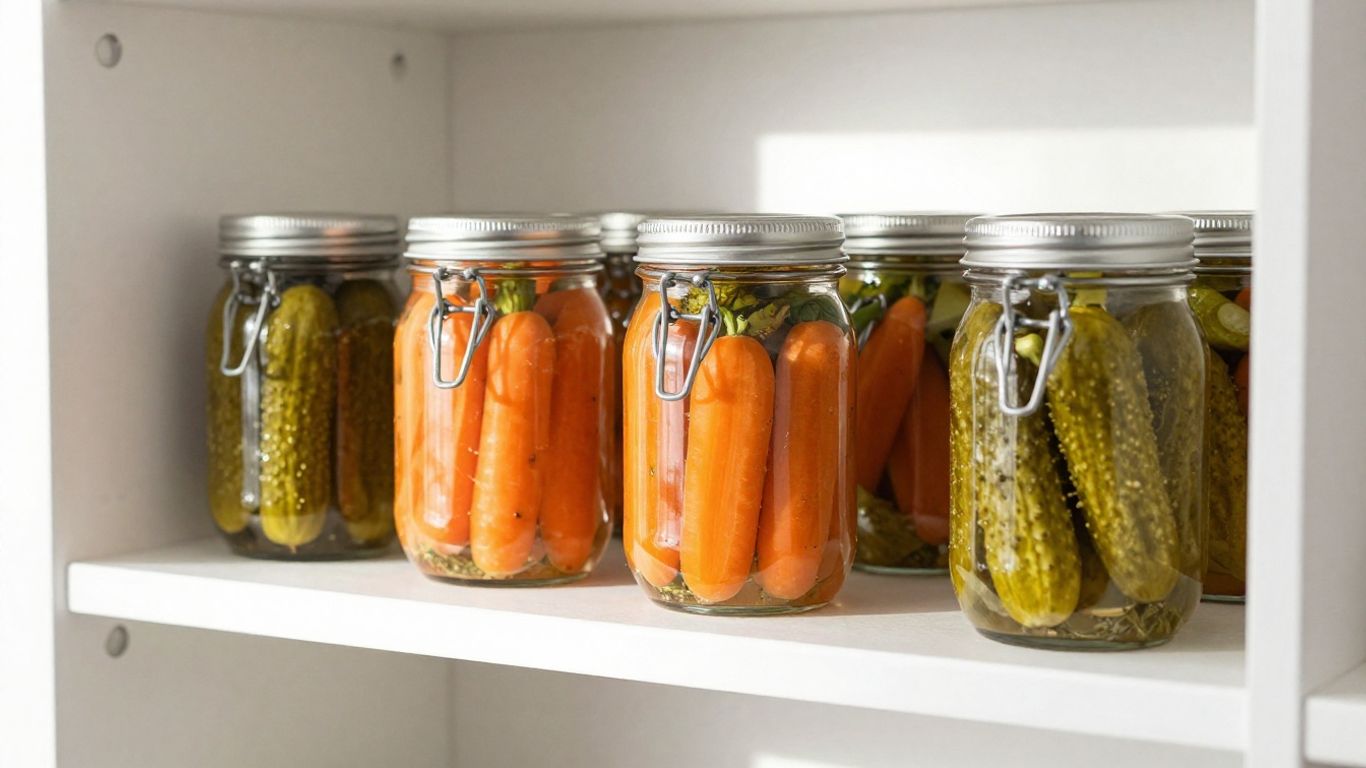
Sometimes, you simply have more ingredients on hand than your schedule allows you to cook. Preservation acts as a bridge during these busy weeks, locking in nutrients and flavor until you are ready to enjoy them later.
Pickling and fermenting surplus produce
Pickling is an excellent way to use up ingredients before they go off, especially vegetables like cucumbers, carrots, onions, and radishes. Brining them in a simple mixture of vinegar, salt, and water can extend their shelf life for several months while creating flavorful additions for sandwiches, salads, and side dishes. Fermenting vegetables is another great option that reduces waste while adding beneficial probiotics to your meals.
Freezing techniques for herbs and dairy
Fresh herbs often spoil before they are fully used, but you can preserve them by mincing them into ice cube trays and covering them with olive oil. Similarly, block cheeses or dairy portions that won’t be used soon can be stored in the freezer to prevent spoilage.
Dehydrating fruits and vegetables for long-term storage
Removing moisture from fruits and vegetables prevents bacterial growth while concentrating their natural flavors. Whether you use a dehydrator or a low-temperature oven, dehydrating creates shelf-stable snacks and cooking ingredients that last for months. It’s another practical way to use up ingredients before they go off, especially if you have produce that’s perfectly edible but beginning to soften.
Optimizing your grocery shopping habits
One of the best ways to use up ingredients before they go off starts before you even go shopping. Plan your meals around ingredients you already have, check your fridge and pantry before making a shopping list, and only buy what you’ll realistically use. Shopping with an inventory-first mindset helps prevent duplicate purchases, reduces food waste, and ensures the ingredients you bring home are used while they’re still at their best.
Writing inventory-led shopping lists
Before heading out, perform a swift scan of your kitchen to identify what you actually lack. Shopping with a specific intent limits the number of impulse purchases that typically contribute to waste.
Avoiding bulk-buying traps for perishables
Buying in bulk is a legitimate strategy for non-perishables, but it can be detrimental when applied to produce or items with short lifespans. Only source quantities that you are certain your household can consume within a reasonable time frame.
Planning meals around existing pantry inventory
Your kitchen already contains the foundation for many delicious dinners. When you start with what is present, you reduce the logistical burden of grocery management and ensure a steady rotation of goods.
Advanced Strategies to Use Up Ingredients Before They Go Off
If you want to use up ingredients before they go off, it’s worth looking beyond traditional cooking methods. Many ingredients have edible parts that are often overlooked, and making use of them helps reduce food waste while getting better value from every grocery shop. These simple techniques allow you to use up ingredients before they go off without sacrificing flavor or nutrition.
Use Vegetable Peelings and Stalks for Extra Flavor
One of the easiest ways to use up ingredients before they go off is by making use of vegetable peelings, stems, and stalks that are often thrown away. Many of these parts are packed with flavor and nutrients. Broccoli stalks can be sliced into stir-fries, carrot peelings can be roasted into crispy snacks, and celery leaves or herb stems add wonderful depth to soups, sauces, and homemade stocks. By using more of each ingredient, you’ll waste less food and make every meal stretch further.
Combining small leftover portions into snacks
Small remnants of cheeses, crackers, or dips can be arranged into miniature charcuterie boards for quick afternoon snacks.
Maintaining an eat me first container in the fridge
This simple, dedicated space alerts everyone in the home to prioritize items reaching their limit.
A focused kitchen routine transforms potential food waste into a sustainable habit, making the most of every item you bring into your home while simplifying your daily meal preparation.
This deliberate method saves time and ensures a more mindful interaction with your pantry contents.
Conclusion
Learning how to use up ingredients before they go off is one of the simplest ways to reduce food waste, save money, and get more value from every grocery shop. By organizing your kitchen, storing food correctly, repurposing leftovers, and shopping more intentionally, you’ll find it much easier to use up ingredients before they go off before they end up in the bin.
If you’re ever unsure what to cook with leftover ingredients or food that’s nearing its expiry date, try our free AI Recipe Generator. Simply enter the ingredients you already have at home, and it will suggest delicious recipes to help you use up ingredients before they go off instead of letting them go to waste. It’s a quick and easy way to turn leftovers into your next favourite meal while making the most of every ingredient.
Frequently Asked Questions
How can I tell if an ingredient is still safe to use despite looking wilted?
Visual cues like slight wilting or dryness often do not mean items are unsafe, as many can be revitalized or used in cooked dishes. If there is no visible mold, off-putting slime, or rancid odor, the item is often still perfectly acceptable for cooking.
Are there specific techniques for keeping herbs fresh for longer?
Hardy herbs like rosemary persist well in the fridge when wrapped in a damp paper towel within a plastic bag. For softer herbs, treating them like cut flowers—trimmed stems placed into a glass of water—often keeps them vibrant for much longer.
Should all perishables be stored in the refrigerator?
Not all items thrive in the cold, as some produce like tomatoes or stone fruits lose flavor and texture in the fridge. It is best to research specific storage requirements for your produce to maintain optimal quality.
What are some easy ways to use bread that has gone stale?
Stale bread is ideal for transformation into breadcrumbs, croutons, or a base for bread pudding. Simply grinding, toasting, or hydrating the loaf brings it back to life in a new capacity.
Can I freeze dairy products safely?
Many dairy products like butter and specific cheeses freeze well, though high-water-content items like some soft cheeses or yogurts may undergo a texture change. Use frozen dairy in cooked recipes where homogeneity is less critical.
How often should a pantry audit be performed?
Once a week provides enough frequency to prevent spoilage while remaining manageable for a busy household. This cadence helps you naturally align upcoming meals with items nearing their expiration dates.
Does a zero-waste kitchen require special equipment?
While some tools simplify the process, most waste-reduction strategies rely on habits and existing kitchen items rather than high-cost gadgets. Focusing on proper storage containers and inventory awareness is far more effective than acquiring new specialized equipment.
How can I use up ingredients before they go off?
The easiest way to use up ingredients before they go off is to plan meals around what you already have. Store food correctly, freeze ingredients you won’t use immediately, repurpose leftovers into new recipes, and keep older items at the front of your fridge so they get used first.